


What Is Hormone-Safe Clothing? Why World of Toji Chooses Skin-Friendly Fabrics
We often talk about clean food and clean beauty, but one everyday essential still gets overlooked. The fabric that stays in constant contact with your skin can influence comfort, mood, and even hormonal balance. This is where hormone-safe clothing becomes important.
World of Toji creates meaningful clothing. How a garment feels on your skin and supports you throughout the day is just as important as its appearance. Wearing hormone-safe clothing prioritises comfort, care, and long-term health.
What does hormone-safe clothing actually mean?
“Hormone-safe clothing” refers to garments made without harmful chemicals, toxic finishes, or synthetic dyes that may interfere with the body’s natural hormonal balance. Many fast-fashion fabrics are treated with substances like formaldehyde and harsh chemical dyes. With prolonged skin contact, these chemicals can irritate sensitive skin and may act as endocrine disruptors.
Hormone-safe clothing focuses on:
- Natural fibers
- Gentle dyeing processes
- Clean, minimal chemical use
When your clothing works with your body instead of against it, your skin feels calmer and your overall comfort improves. This is why hormone-safe clothing is not a trend — it’s a lifestyle choice.
Why skin-friendly fabrics matter for everyday wear

Your skin is your largest organ, and it absorbs more than we realise. Wearing skin-friendly fabrics helps reduce itching, rashes, and discomfort, especially during hormonal fluctuations or long hours of wear.
Skin-friendly clothing allows airflow, doesn’t trap moisture, and feels soft throughout the day. This comfort becomes obvious in simple pieces like a cotton kurta or an easy casual shirt that stays gentle from morning to evening.
At World of Toji, skin-friendly fabrics are the foundation of every design because comfort should never be optional.
The role of breathable cotton clothing in hormone-safe fashion

One of the most essential elements of hormone-safe clothing is fabric choice, and breathable cotton clothing plays a major role. Cotton is natural, lightweight, and allows air to circulate freely, helping regulate body temperature and reduce sweating.
Unlike synthetic fabrics, breathable cotton clothing doesn’t cling to the skin or create discomfort over time. That’s why relaxed cotton shirts and everyday cotton silhouettes feel effortless, even after hours of wear.
World of Toji prioritises breathable cotton clothing because it feels familiar, grounding, and easy, exactly how everyday clothing should feel.
Why do handblock printed fabrics feel softer and more personal
There’s a quiet comfort in handblock printed fabrics. Each piece carries the imprint of skilled hands rather than machines. These traditional techniques often use natural or low-impact dyes and slower, more thoughtful processes.
Many handblock printed fabrics are inspired by heritage crafts like Ajrakh, known for intricate patterns and careful dyeing methods. This makes the fabric gentler on your skin and kinder to the environment.
By choosing handblock printed fabrics, World of Toji stays aligned with the values of hormone-safe clothing, clean processes, mindful making, and respect for craftsmanship.
Sustainable clothing for women starts with small choices
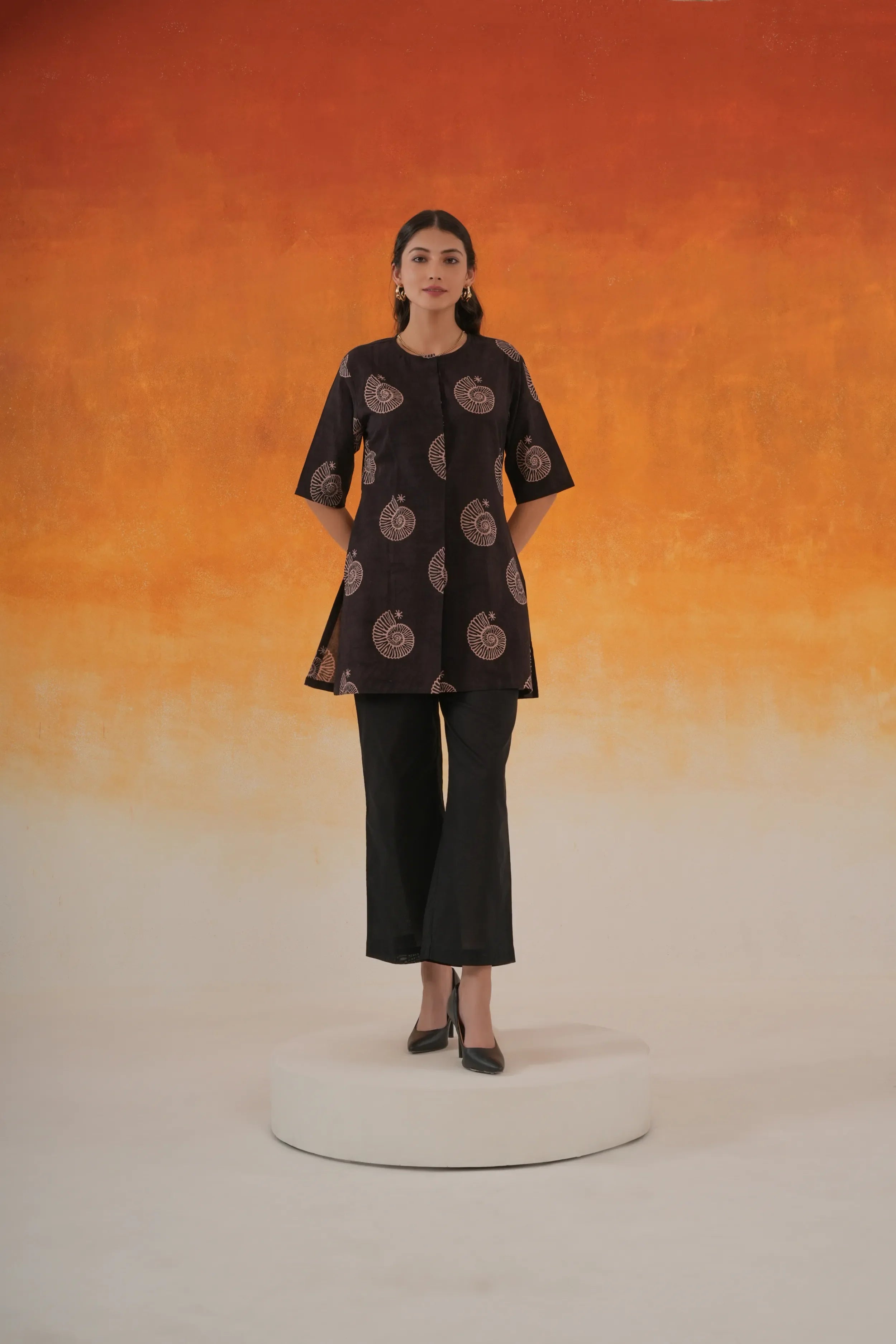
Sustainable clothing for women doesn’t mean changing everything overnight. It means choosing better when you can quality over quantity, comfort over fast trends, and fabrics that last.
Ethically made clothing supports artisans, reduces waste, and fits seamlessly into daily life. A thoughtfully designed cotton co-ord set that can be worn together or styled separately is a perfect example of sustainable, practical dressing.
World of Toji believes sustainable clothing for women should feel natural, wearable, and uncomplicated.
How hormone-safe clothing supports your daily comfort
Think about how often you adjust your clothes because they feel heavy, itchy, or uncomfortable. These small irritations quietly affect your mood and energy.
Hormone-safe clothing minimises those distractions. Soft, breathable fabrics help you feel lighter, more present, and comfortable in your own skin. This is especially important for women, as natural hormonal changes already place enough stress on the body.
Clothing should support you, not add to the load.
Why World of Toji follows a skin-first approach
World of Toji was built on a simple idea: clothing should feel like a safe space. Every design begins with fabric selection, focusing on skin-friendly clothing, breathable cotton clothing, and handblock printed fabrics.
This skin-first approach ensures comfort without compromise and beauty without harm. Hormone-safe clothing is not just what World of Toji creates, it’s what the brand stands for.
Choosing hormone-safe clothing for yourself and the planet
When you choose hormone-safe clothing, you’re choosing care for your body, your skin, and the environment. You’re supporting sustainable clothing for women that values natural materials, slow fashion, and thoughtful craftsmanship.
At World of Toji, every piece is a reminder that clothing is not just about style. It’s about how you live, move, and feel every single day.
FAQ’s
Q1. What is hormone-safe clothing?
A: Hormone-safe clothing is made using natural fabrics and clean processes without harmful chemical finishes that may disrupt hormonal balance.
Q2. Why are skin-friendly fabrics important for daily wear?
A: Because fabrics stay in constant contact with your skin, skin-friendly materials help reduce irritation, rashes, and long-term discomfort.
Q3. Why is breathable cotton used in hormone-safe clothing?
A: Breathable cotton allows airflow, regulates body temperature, and prevents moisture build-up, keeping the skin calm and comfortable.
Q4. Are handblock-printed fabrics safer for the skin?
A: Yes, handblock printed fabrics often use low-impact or natural dyes and slower techniques, making them gentler on the skin.
Q5. How does sustainable clothing support hormone-safe fashion?
A: Sustainable clothing prioritises natural materials, ethical production, and minimal chemical use, benefiting both your body and the environment.


